


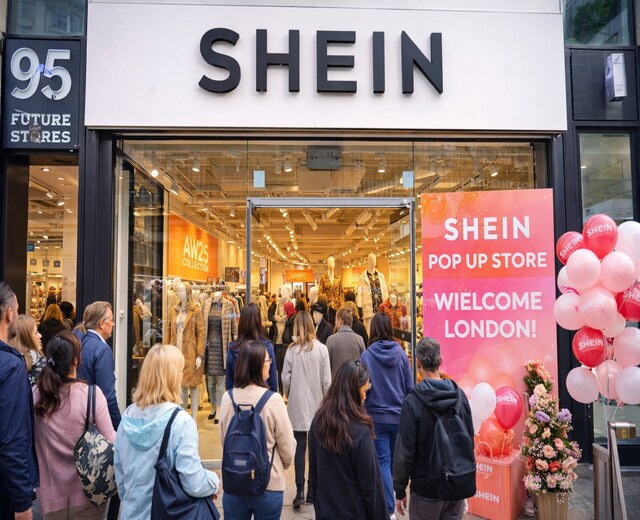
Shein has brought its online fashion platform to one of Britain’s busiest shopping destinations, unveiling a temporary pop-up store on Oxford Street in London. The short-term retail activation, hosted at the Future Stores space on the famous West End thoroughfare, offers shoppers a rare opportunity to browse the brand’s collections in person.
Running for a limited period, the pop-up marks Shein’s latest attempt to translate its digital-first success into a physical retail environment. Known primarily as an e-commerce giant, the company has built its global following through app-based shopping, influencer marketing and rapid product turnover. The Oxford Street store signals a continued interest in engaging UK customers beyond the screen.
A Physical Presence in a Digital Empire
Founded in 2008, Shein has grown into one of the world’s largest online fashion platforms, selling trend-led clothing and lifestyle products directly to consumers through its website and mobile app. Its business model centres on data-driven production and frequent new releases, allowing it to respond quickly to changing consumer tastes.
The Oxford Street pop-up provides a curated edit of Shein’s autumn and winter collections. Shoppers can view womenswear ranges alongside selected accessories and lifestyle products. Rather than functioning as a full-scale permanent store, the space operates as an experiential showcase, designed to highlight key seasonal pieces and encourage brand interaction.
Temporary retail activations of this kind have become increasingly common among online-native brands. By securing space on a high-profile shopping street, companies can test demand, gather direct customer feedback and strengthen brand visibility without committing to long-term property costs.
Inside the Oxford Street Space
The pop-up has been styled to reflect Shein’s digital aesthetic, with visually distinctive product zones and display areas designed to appeal to social media-savvy shoppers. Visitors are able to browse selected collections in person, with products available to order online via QR codes and in-store digital prompts.
Industry observers note that while such pop-ups often operate as marketing platforms rather than full transactional stores, they play a strategic role in reinforcing brand recognition. Oxford Street, with its heavy footfall and global reputation, offers a powerful stage for that approach.
The Future Stores venue, located at 95 Oxford Street, has previously hosted similar short-term retail concepts, allowing brands to experiment with immersive layouts and themed installations. In this context, Shein’s presence forms part of a broader retail shift towards hybrid shopping experiences.
London’s Competitive Retail Landscape
Oxford Street remains one of Europe’s most recognisable shopping districts, attracting domestic and international visitors year-round. Despite wider pressures facing UK retail, including inflation, changing consumer behaviour and the growth of online commerce, the West End continues to draw major brands seeking visibility.
For Shein, the decision to stage a London pop-up reflects the UK market’s importance within its global customer base. Britain has been a strong market for online fashion sales, particularly among younger consumers who are comfortable shopping via mobile platforms.
Retail analysts suggest that physical activations can also help digital brands address common customer concerns around fit and product quality. Allowing shoppers to see garments first-hand may influence perceptions and strengthen trust in online ordering.
Pop-Ups as Strategic Tools
Across the retail sector, temporary stores have evolved from novelty events into deliberate strategic tools. Brands use them to generate media coverage, create social media moments and measure in-person engagement before considering more permanent expansion.
While Shein has not announced plans for a long-term bricks-and-mortar presence in central London, the Oxford Street activation demonstrates continued experimentation with offline formats. The move follows a pattern seen globally, where digital retailers seek to blend convenience with experiential marketing.
For landlords, pop-ups offer a flexible way to maintain occupancy and attract footfall, particularly in prime urban locations where consumer tastes shift rapidly. For brands, they provide exposure in environments that still carry symbolic retail weight.
What It Means for Shoppers
For London shoppers, the Shein store on Oxford Street represents a temporary opportunity to interact directly with a brand that typically exists only online. Being able to browse curated collections in person may appeal to customers who prefer tactile engagement before purchasing.
At the same time, the activation underscores how retail continues to evolve. The line between digital and physical commerce is increasingly blurred, with QR codes, online ordering and social media integration becoming part of in-store experiences.
As the pop-up concludes, attention will turn to how the brand evaluates its performance. Footfall levels, social engagement and online sales uplift often determine whether such experiments lead to further physical retail ventures.
For now, Shein’s Oxford Street presence highlights a broader transformation within UK fashion retail — one where digital giants are testing traditional shopping streets, and high streets are adapting to a hybrid era of commerce.
