


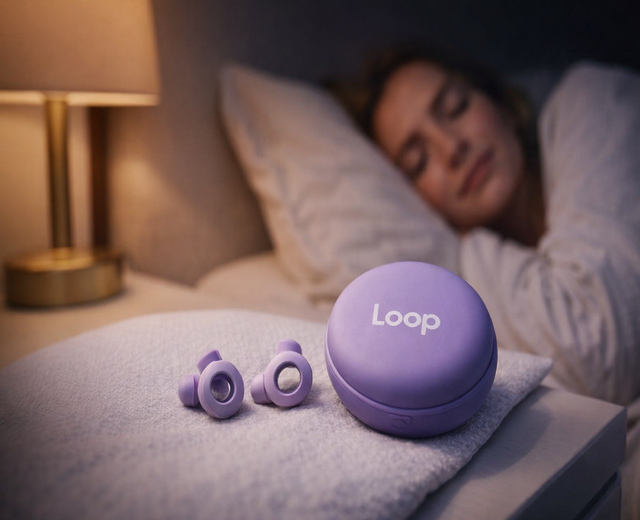
Reusable earplugs have become an increasingly common fixture on bedside tables across the UK, as more people look for practical solutions to disrupted sleep. Among the brands attracting attention is Loop Earplugs, a Belgian company whose noise-reducing designs have gained visibility through social media and word-of-mouth recommendations.
Interest in sleep quality has intensified in recent years. NHS guidance highlights that adults should aim for around seven to nine hours of sleep per night, yet surveys consistently show many people fall short. Urban living, shift work, shared housing and environmental noise all contribute to interrupted rest. Against that backdrop, products promising to dampen sound without discomfort have found a ready audience.
What Are Loop Earplugs?
Founded in 2016, Loop Earplugs markets reusable earplugs designed to reduce rather than completely block sound. The brand offers several models, including options tailored for sleep, focus and social environments. Unlike traditional foam earplugs, Loop products are made from silicone and feature a circular outer ring that sits visibly in the ear.
The company states that certain models, such as the “Quiet” range, are intended to reduce background noise by up to 27 decibels (SNR), depending on fit and environment. Noise reduction ratings can vary based on ear shape and correct insertion, a factor audiologists frequently stress when assessing ear protection products.
Sleep-focused versions aim to soften disturbances such as snoring, traffic or late-night household noise without creating total isolation. That distinction matters for users who want to remain aware of alarms or emergency sounds.
Why Noise Disruption Matters
Environmental noise has long been linked to sleep fragmentation. Research published by the World Health Organization has associated sustained night-time noise exposure with poorer sleep outcomes and reduced overall wellbeing. In urban areas, even intermittent disturbances can prevent deeper stages of rest.
For light sleepers, even modest sound levels can trigger micro-awakenings that disrupt sleep cycles. While white noise machines and blackout curtains address some triggers, earplugs remain one of the simplest mechanical solutions.
Audiology specialists caution that long-term earplug use should prioritise hygiene and correct sizing to prevent irritation or wax build-up. Reusable silicone options can offer durability compared with disposable foam alternatives, provided they are cleaned according to manufacturer guidance.
Design and Comfort Considerations
One of Loop’s distinguishing features is its aesthetic design. The circular ring sits in the outer ear, giving the product a more polished appearance than standard foam plugs. The company supplies multiple ear tip sizes in each pack to improve fit.
Comfort plays a central role in sleep suitability. Traditional foam earplugs expand within the ear canal, which some users find uncomfortable during side-sleeping. Silicone-based alternatives may exert less pressure, though individual experience varies.
Independent reviewers have noted that correct insertion technique significantly influences performance. Improper placement can reduce noise dampening effectiveness and cause discomfort.
Are They Effective for Sleep?
User experiences with Loop Earplugs tend to centre on moderate noise reduction rather than total silence. For many sleepers, reducing sound intensity, rather than eliminating it proves sufficient to maintain deeper rest.
It is important to note that earplugs cannot address all causes of insomnia. Stress, screen exposure before bed and irregular sleep schedules also contribute to poor sleep hygiene. Experts generally recommend combining environmental adjustments with consistent bedtime routines.
From a safety perspective, audiologists advise against using earplugs if experiencing ear infections or discomfort. Those with persistent sleep disruption should consult a GP to rule out underlying conditions such as sleep apnoea.
Market Growth in Sleep Aids
The UK sleep aid market has expanded steadily in recent years, driven by heightened awareness of wellbeing and mental health. Consumers increasingly seek non-pharmaceutical interventions before considering medication.
Reusable earplugs sit within that broader category of practical lifestyle solutions. Their appeal lies in affordability, portability and minimal technological complexity. For shift workers, frequent travellers or those living in shared accommodation, compact noise reduction tools can offer a straightforward intervention.
Loop Earplugs’ visibility has also been shaped by influencer endorsements and lifestyle media coverage. While marketing plays a role in awareness, sustained popularity typically depends on real-world usability and comfort.
Considerations Before Buying
Potential buyers should assess their primary need. Those seeking complete sound elimination may find earplugs insufficient on their own. Conversely, individuals who want to soften noise while maintaining some environmental awareness may prefer moderate attenuation levels.
Fit is critical. Most reusable earplugs include interchangeable tips, and selecting the correct size improves both comfort and effectiveness. Cleaning protocols, typically involving mild soap and water, help maintain hygiene over repeated use.
Consumers should also verify noise reduction ratings and understand that laboratory figures do not always replicate real-world conditions. Sleep environments differ widely, from city-centre flats to suburban homes.
A Practical Tool, Not a Cure-All
Loop Earplugs represent a growing category of lifestyle sleep products aimed at reducing environmental disruption. For many users, particularly those sensitive to ambient noise, they may offer a measurable improvement in sleep continuity.
However, they are best viewed as one component of broader sleep hygiene practices. Consistent bedtimes, limited caffeine intake in the evening and reduced screen exposure remain foundational recommendations from health professionals.
As awareness of sleep’s role in physical and mental wellbeing continues to grow, demand for simple, reusable noise-reduction tools is likely to remain strong. Whether Loop Earplugs transform sleep will depend largely on individual sensitivity to noise and personal comfort preferences.
