

An official inquiry into the deadliest small boat disaster in the English Channel has concluded that at least 30 of the deaths were avoidable, pointing to serious failures in search and rescue coordination on both sides of the water.
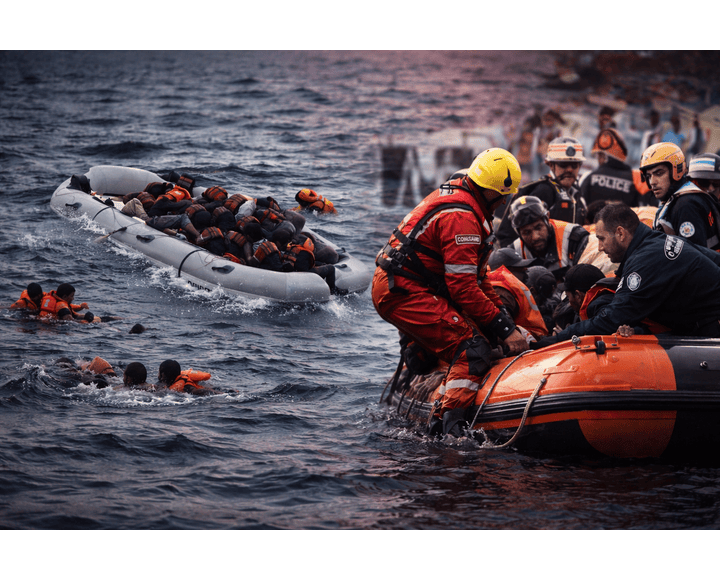
The tragedy occurred on 24 November 2021, when a fragile inflatable dinghy carrying migrants from France towards the UK began taking on water and sank in cold, busy shipping lanes. Twenty-seven bodies were recovered in the days that followed. Several others were reported missing. Only two people survived.
In findings published this week, the inquiry determined that missed opportunities, delayed responses and systemic weaknesses within maritime rescue systems contributed to the scale of the loss of life.
What the Inquiry Found
The investigation examined distress calls made during the night of the sinking, operational logs from UK and French authorities, and testimony from survivors and families of those who died. Its central conclusion was stark: a faster and more coordinated response could have saved many lives.
Passengers aboard the vessel made repeated calls for help as the boat deflated and filled with water. The inquiry found that emergency services were aware that the craft was in difficulty, yet confusion over responsibility and location meant no decisive rescue was launched in time.
The report identified breakdowns in communication between British and French maritime coordination centres. Officials on each side of the Channel at times believed the boat was in the other’s search and rescue zone; that uncertainty, the inquiry concluded, delayed action during critical hours.
The Channel is one of the world’s busiest shipping corridors. In late November, sea temperatures are low enough that prolonged immersion can rapidly become fatal. The report noted that even relatively short delays in rescue operations can drastically reduce survival chances.
Failures in Rescue Coordination
Evidence presented to the inquiry highlighted operational weaknesses within the UK’s HM Coastguard at the time of the incident. Staffing shortages and high call volumes reportedly affected situational awareness during the night in question.
The inquiry also examined actions taken by French maritime authorities. It found that a nearby French vessel was not deployed to intercept the sinking boat despite distress alerts. The reasons for that decision remain subject to scrutiny in France.
While the report did not attribute criminal liability to individual officers, it concluded that systemic failings, rather than a single error, created conditions in which the tragedy unfolded. The chain of missed opportunities, it said, meant the passengers remained in the water far longer than they should have.
Families of those who died described harrowing final phone calls in which relatives pleaded for help. Survivors told the inquiry that people clung to one another in darkness as the boat collapsed beneath them.
Broader Context of Channel Crossings
The sinking marked a turning point in public awareness of small boat crossings. In the years since, tens of thousands of people have attempted to reach the UK in similar inflatable craft, often organised by criminal smuggling networks.
Successive governments have pledged to curb dangerous crossings, strengthen cooperation with France and disrupt trafficking gangs. Yet humanitarian organisations argue that as long as safe and legal routes remain limited, desperate journeys across the Channel will continue.
The inquiry did not assess immigration policy directly. However, it acknowledged the broader environment in which rescue services operate, including increasing numbers of crossings and growing strain on maritime resources.
Political and Diplomatic Implications
The findings place renewed focus on UK–France coordination. Both governments have invested in joint patrols, surveillance technology and intelligence sharing since 2021. The report suggests further improvements are needed to ensure clear lines of responsibility during emergencies.
Officials have said they will study the recommendations carefully. The inquiry called for enhanced staffing levels, clearer command structures and improved systems for processing distress signals, including better use of geolocation data from mobile phones.
Maritime safety experts note that the Channel’s complexity requires seamless cooperation. Vessels can cross search and rescue boundaries quickly, particularly in poor weather or heavy currents. Any uncertainty over jurisdiction can prove costly.
The Human Cost
Beyond operational analysis, the report emphasised the human dimension of the disaster. Many of those who died were from conflict-affected regions, including the Middle East and Africa. Several were young adults with families who had hoped to reunite with relatives in Britain.
For survivors and bereaved families, the publication of the findings brings partial clarity but not closure. Some relatives have continued to press for accountability and for stronger safeguards to prevent repetition.
Campaigners argue that the tragedy illustrates the lethal consequences of irregular migration routes. They say prevention must involve both effective rescue capability and broader political solutions addressing displacement and asylum backlogs.
What Happens Next
The inquiry’s recommendations include regular joint training exercises between UK and French maritime authorities, upgrades to emergency call handling systems and formal reviews after major incidents. It also calls for transparent monitoring of progress in implementing reforms.
Whether those changes will restore confidence remains to be seen. Crossings have fluctuated year by year, influenced by weather, enforcement measures and geopolitical instability.
The report leaves little doubt about its core finding: many lives might have been saved had systems functioned as intended. For policymakers, it represents a warning about the cost of coordination failures in high-risk maritime environments.
