


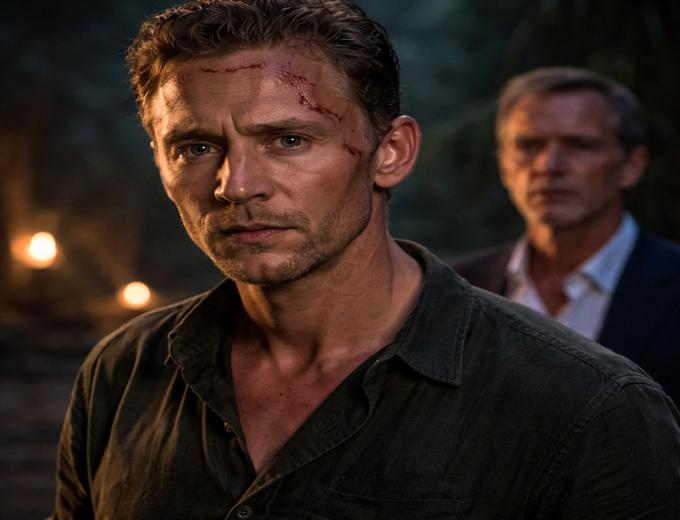
The second season of The Night Manager concluded with a finale that left many viewers stunned, emotionally affected and eager for what comes next. After six episodes packed with espionage, betrayal and devastating losses, the story closed on a somber note, one that reshapes the series’ core conflict and sets the stage for a third season.
The BBC and Prime Video co-production, based on John le Carré’s spy novels and scripted for television by David Farr, returned nearly a decade after the original series. Season 2 built on Jonathan Pine’s undercover infiltration of arms dealer Richard Roper’s organisation, but its finale upended expectations, with several key allies killed and Roper reclaiming a form of victory.
A Dark Turn After a Long Antagonist Game
Across six episodes, Season 2 followed former hotel night manager turned MI6 operative Jonathan Pine (Tom Hiddleston) as he returned to undercover work. Having disappeared from frontline espionage after Season 1, Pine unveiled a covert operation involving the ruthless arms magnate Richard Roper (Hugh Laurie). This time the battleground shifted from Europe to Colombia, amid weapons deals that threatened to spark broader conflict.
Plans to hijack a shipment of lethal arms culminated in a tense jungle confrontation. Pine and his team attempted to reroute the shipment to neutralise Roper’s plan, but Roper, ever cunning, outmanoeuvred them. In a brutal twist, the lethal cargo reached its intended recipients, while the decoy shipment left Pine’s allies exposed.
Key Losses Leave an Emotional Mark
The finale did not shy away from high stakes and heavy costs. Several secondary characters whom viewers had grown attached to were killed in quick succession, a narrative choice that many fans described as heartbreaking.
Teddy dos Santos, son of Richard Roper and a pivotal figure in the insider-outsider dynamic, is executed by his father after betraying him. This moment underscored Roper’s cold ruthlessness and drew a sharp emotional contrast between father and son. Shortly afterwards, Martin, a loyal ally to Pine, sacrifices himself to give the protagonist a chance to escape despite grave danger. In London, MI6 operative Angela Burr (portrayed by Olivia Colman), a recurring figure from both seasons, is gunned down, further darkening the finale’s impact.
Fans and critics alike responded to these deaths with shock, noting that the series had shifted from traditional spy thriller beats into a more somber, character-driven reckoning where consequences were deeply human as well as geopolitical.
Roper Walks Free in a Climactic Defeat
In the closing scenes, Roper, having reclaimed the upper hand, departs Colombia and returns to England with his son Danny. A radio broadcast behind him reports a burgeoning civil war as a result of the violence ignited by the disrupted arms deal, a stark backdrop that emphasises Roper’s success and the heavy moral cost of the conflict.
Meanwhile, Pine, physically battered and emotionally drained, is left alone in the jungle, his friends fallen and his mission unresolved. The juxtaposition between Roper’s return to civilisation and Pine’s isolation underlines the grim realities of espionage portrayed throughout the season.
Why the Ending Felt So Impactful
The emotional weight of the finale comes from how different it feels from conventional spy drama resolution. Rather than neatly tying up loose ends, the finale leaves its protagonist isolated and its antagonist victorious for now.
Audience reaction on social media reflected widespread surprise at this tonal shift. Many viewers noted the stark losses of key characters as one of the most affecting elements of the story, particularly given the strong performances and layered relationships developed over the season. The sense that the ends did not justify the means and that Pine’s moral compass led him into ruin was a frequent theme in online discussion.
Behind this narrative choice lies the creative intent to subvert genre expectations. In interviews, showrunner David Farr and director Georgi Banks-Davies have emphasised character vulnerability and the emotional cost of espionage, particularly in relationships defined by mistrust, betrayal and fragile alliances.
How This Sets Up Season 3
Unlike many television dramas that conclude with a definitive resolution, The Night Manager Season 2 closes as a prologue to the next chapter. The unresolved conflict between Pine and Roper, already one of British television’s most compelling antagonistic pairings, ensures that the series retains momentum and narrative tension.
Producers have confirmed that Season 3 was commissioned alongside Season 2, and the finale’s climactic decimation of Pine’s support network directly feeds into future storylines. Pine’s grief, isolation and quest for justice now form the emotional core that writers are expected to explore in the next season.
A Story That Defies Predictability
What made Season 2 of The Night Manager stand out for many viewers was its willingness to take risks narratively and emotionally. By allowing its hero to suffer significant professional and personal losses, the show positioned itself not just as a remake of a classic spy tale but as a contemporary exploration of moral ambiguity in a world saturated with secrecy, power and betrayal.
For audiences accustomed to tidy finales or clear victors in dramas of this type, Season 2’s ending may have felt bleak or “heartbreaking”. Yet it also reinforces the series’ commitment to unpredictable storytelling and complex emotional stakes, a creative choice that primes fans for what promises to be an intense third season.
The impact of this finale continues to reverberate within fan communities, and as more viewers discover the series on streaming platforms, discussion about its most devastating moments is likely to grow.
