


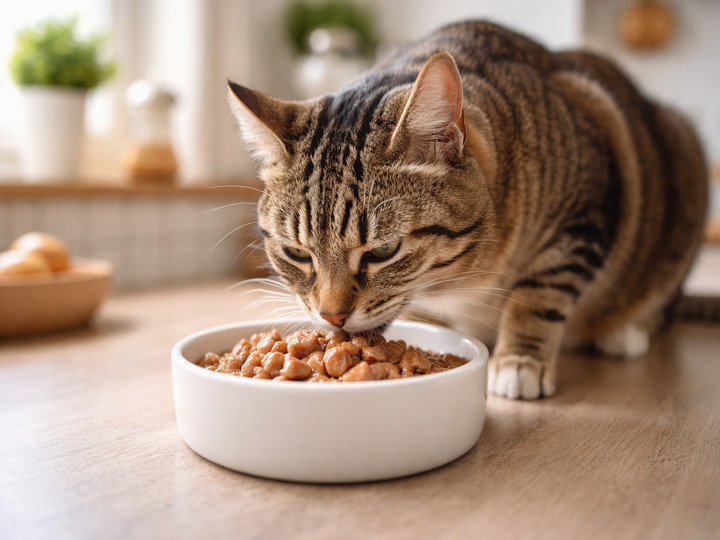
Choosing the best cat food has become increasingly complex as supermarket shelves and online retailers offer hundreds of options. Veterinary guidance suggests that nutritional balance, life stage and medical needs matter far more than branding or packaging claims.
Search interest in the best cat food continues to rise across the UK, reflecting a broader shift towards premium pet care. According to the Pet Food Manufacturers’ Association, more than 11 million cats now live in British households, making them one of the country’s most popular pets. With that growth has come greater scrutiny over diet, ingredients and long-term health outcomes.
Veterinary professionals stress that selecting the best cat food depends on understanding feline biology. Cats are obligate carnivores. They require animal-based protein and specific nutrients such as taurine, vitamin A and arachidonic acid, which they cannot synthesise in sufficient quantities themselves. Any diet lacking these essentials risks serious health consequences.
What defines the best cat food nutritionally?
The best cat food meets complete and balanced nutritional standards established by recognised authorities. In the UK and Europe, pet foods should comply with guidance from the European Pet Food Industry Federation, known as FEDIAF. Products labelled as “complete” must provide all required nutrients in appropriate proportions for the stated life stage.
Protein quality remains central. Cats rely heavily on dietary protein not only for muscle maintenance but also for energy metabolism. Veterinary recommendations consistently prioritise high-quality animal protein over plant-based fillers. While carbohydrates can feature in dry kibble for structural reasons, they should not dominate ingredient lists.
Fat content also matters. Dietary fat provides essential fatty acids and supports coat condition. However, excessive calorie density may contribute to obesity, an issue that the Royal Veterinary College identifies as one of the most common preventable health problems among UK pets.
Wet versus dry: which is best cat food for most homes?
Debate over wet and dry formulations continues among pet owners. The best cat food format often depends on the animal’s hydration habits and dental health.
Wet food typically contains around 70 to 80 per cent moisture. That higher water content can benefit cats that drink little from bowls, supporting urinary tract health. The British Small Animal Veterinary Association notes that urinary issues are among the most frequent reasons for feline veterinary visits.
Dry food offers convenience and tends to cost less per serving. It stores easily and can remain in bowls longer without spoiling. Some dental specialists suggest that certain kibble textures may reduce plaque build-up, though brushing remains the most effective method of maintaining oral hygiene.
Many vets advise a mixed approach, combining wet and dry foods to balance hydration, cost and practicality.
Life stage and medical needs
The best cat food for a kitten differs significantly from that required by a senior cat. Kittens need higher protein and calorie intake to support rapid growth. Senior cats may require adjusted mineral levels to protect kidney function.
Neutered cats often gain weight more easily due to reduced metabolic rate. Specialist formulations address this by lowering calorie density while maintaining protein levels.
Cats with diagnosed conditions such as chronic kidney disease, diabetes or food allergies may need prescription diets. These products are typically recommended by veterinary surgeons and formulated to manage specific clinical parameters.
Owners should avoid switching diets abruptly. Gradual transitions over several days help prevent gastrointestinal upset.
Ingredient transparency and marketing claims
Packaging frequently promotes grain-free, natural or high-meat recipes. However, veterinary nutritionists caution that marketing language does not necessarily equate to superior quality.
Grain-free diets gained popularity in recent years, yet grains can provide digestible energy and fibre. Unless a cat has a confirmed intolerance, removing grains offers no inherent health advantage.
Ingredient lists appear in descending order by weight at the time of manufacture. High moisture ingredients may appear first even if their dry matter contribution is lower. Interpreting labels requires careful reading rather than reliance on front-of-pack claims.
Independent veterinary advice emphasises the importance of evidence-based formulation over trend-driven choices.
Cost pressures and household budgets
Rising living costs have placed pressure on pet owners. Premium brands can exceed £1 per sachet, while supermarket own-brand products may cost significantly less.
The Royal Society for the Prevention of Cruelty to Animals has reported increased financial strain among pet-owning households. However, cutting costs by reducing portion sizes or offering nutritionally incomplete foods can compromise health.
Experts recommend focusing on products labelled as complete and balanced, regardless of price point. Many mid-range options meet established nutritional standards without the cost associated with boutique branding.
Sustainability and sourcing
Environmental concerns increasingly influence purchasing decisions. Some manufacturers highlight responsibly sourced fish or reduced carbon packaging.
Sustainability must be weighed against nutritional adequacy. Cats require animal-derived nutrients, and plant-based alternatives cannot replicate those biological requirements fully. While insect protein and novel ingredients are being researched, mainstream veterinary guidance still prioritises established protein sources.
Clear labelling and regulatory compliance remain key indicators of reliability.
Why this matters for UK pet owners
The question of the best cat food extends beyond preference. Poor nutrition can lead to obesity, dental disease, urinary tract problems and metabolic disorders. Early dietary choices shape long-term health outcomes.
Veterinary professionals encourage routine weight monitoring and annual health checks. Body condition scoring helps assess whether a chosen diet supports healthy weight.
Owners should also consider feeding environment. Indoor cats may require lower calorie intake due to reduced activity levels compared with outdoor cats.
With millions of cats living in British homes, dietary decisions collectively influence national animal welfare standards.
Expert consensus and balanced advice
While brand rankings vary, veterinary consensus remains consistent on core principles. Choose a complete diet appropriate for age and health status. Ensure high-quality protein sources. Avoid overfeeding. Seek professional advice for medical concerns.
Online reviews and social media trends can provide anecdotal insight but do not replace clinical expertise. The best cat food for one animal may not suit another.
Veterinary-backed recommendations prioritise measurable nutritional value over packaging aesthetics or marketing narratives.
As consumer awareness grows, manufacturers face increased accountability. Clearer labelling and adherence to recognised standards benefit both pets and owners.
For UK households navigating crowded supermarket aisles or online listings, informed decisions rest on evidence rather than advertising. The best cat food supports healthy weight, sustained energy and long-term wellbeing.
In a market saturated with claims, veterinary guidance remains the most reliable benchmark. As pet ownership continues to rise, balanced nutrition will remain central to feline health across the country.
