


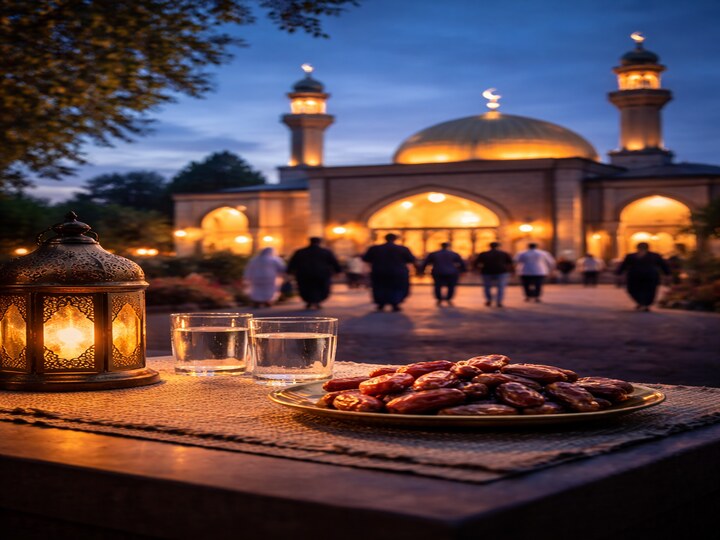
“Ramadan Mubarak” messages are being shared across the UK as Muslim communities begin the holy month of Ramadan 2026. Mosques and charities have confirmed fasting times and community programmes as millions prepare for daily dawn-to-sunset fasting.
Ramadan Mubarak greetings have echoed across Britain following confirmation of the start of Ramadan 2026, corresponding to 1447 in the Islamic lunar calendar. Islamic organisations including Islamic Relief UK have marked the beginning of the month with guidance on fasting, prayer and suhoor times, as families prepare for a period of spiritual reflection and charity.
Ramadan is observed by Muslims worldwide as a month of fasting, prayer and increased devotion. In the UK, where the 2021 Census recorded more than 3.9 million Muslims in England and Wales, the month carries both religious and social significance. The greeting “Ramadan Mubarak” expresses goodwill and blessings at the start of the holy period.
What Ramadan Mubarak means for UK Muslims
The phrase Ramadan Mubarak translates as “Blessed Ramadan”. It is widely used throughout the month as Muslims wish one another well in their observance. The holy month commemorates the revelation of the Qur’an to the Prophet Muhammad and forms one of the Five Pillars of Islam.
Adult Muslims who are physically able fast each day from dawn, marked by the pre-dawn meal known as suhoor, until sunset, when the fast is broken with iftar. Exemptions apply to those who are ill, pregnant, elderly, travelling or otherwise unable to fast safely.
In Britain, fasting hours vary depending on geographical location and time of year. In early spring 2026, daylight hours mean fasting stretches to around 13 to 14 hours in most parts of England and Wales, slightly longer in Scotland. Local mosques publish precise prayer timetables to guide worshippers.
Suhoor time today and daily rhythm
Islamic Relief UK has encouraged worshippers to check local suhoor and iftar times carefully, as these shift by several minutes each day. Suhoor typically takes place before the Fajr prayer at dawn, requiring early rising for many households.
Evenings centre on iftar, traditionally beginning with dates and water in keeping with prophetic tradition. Families gather, mosques host communal meals and charitable organisations distribute food to vulnerable people.
The daily rhythm of Ramadan reshapes routines across workplaces and schools. Many employers accommodate flexible hours where possible, particularly in cities with large Muslim populations such as London, Birmingham and Manchester.
Charity and community engagement
Ramadan Mubarak messages often accompany appeals for charitable giving. Zakat, the obligatory annual charity contribution, and sadaqah, voluntary charity, increase significantly during the month.
Islamic Relief UK and other humanitarian organisations use Ramadan campaigns to fund emergency relief, food programmes and clean water projects domestically and overseas. Community iftars also foster interfaith engagement, with churches, synagogues and civic groups frequently invited to share meals.
The Muslim Council of Britain has previously highlighted Ramadan as a time when public understanding of Islamic practice can deepen through open events and outreach initiatives.
Health considerations and guidance
Fasting alters eating and sleeping patterns. The National Health Service advises individuals with medical conditions to consult healthcare professionals before fasting. Hydration and balanced nutrition at suhoor and iftar are essential to maintain wellbeing.
While fasting is mandatory for eligible adults, Islam places strong emphasis on health and compassion. Those unable to fast due to illness can make up days later or provide charitable compensation, known as fidyah.
Sports bodies and educational institutions increasingly recognise Ramadan in scheduling decisions. Professional athletes who observe fasting often adjust training intensity, while schools may provide quiet spaces for prayer.
Ramadan in a British context
Ramadan Mubarak greetings now appear widely across social media, public transport displays and corporate communications. Supermarkets stock dates and traditional foods, reflecting the commercial as well as cultural footprint of the month.
Public life in the UK continues as normal, but awareness of fasting practices has grown. Government ministers and local councils frequently issue formal messages acknowledging Ramadan’s significance to Muslim citizens.
In cities with diverse populations, sunset gatherings can transform neighbourhood high streets. Restaurants extend opening hours and community centres host nightly prayers known as Taraweeh.
The spiritual focus of Ramadan
Beyond fasting, Ramadan centres on spiritual renewal. Muslims increase recitation of the Qur’an and attend additional nightly prayers. The final ten days hold particular importance, including Laylat al-Qadr, the Night of Power, believed to mark the initial revelation of the Qur’an.
Many believers use the month to reflect on personal conduct, gratitude and social responsibility. Acts of kindness and reconciliation carry added emphasis.
Scholars stress that fasting involves more than abstaining from food and drink. Ethical behaviour, patience and generosity form integral components of the observance.
Why this matters for UK society
Understanding Ramadan Mubarak extends beyond religious literacy. With millions observing the month, public awareness influences workplace dynamics, school environments and community cohesion.
Interfaith initiatives often gain momentum during Ramadan, strengthening civic relationships. Shared meals and educational events encourage dialogue and mutual respect.
Economic impacts also emerge. Retail and hospitality sectors experience shifts in consumer behaviour, particularly in the evenings. Media scheduling adapts to accommodate religious programming.
Ramadan’s presence in British public life reflects the country’s demographic diversity and evolving cultural landscape.
