


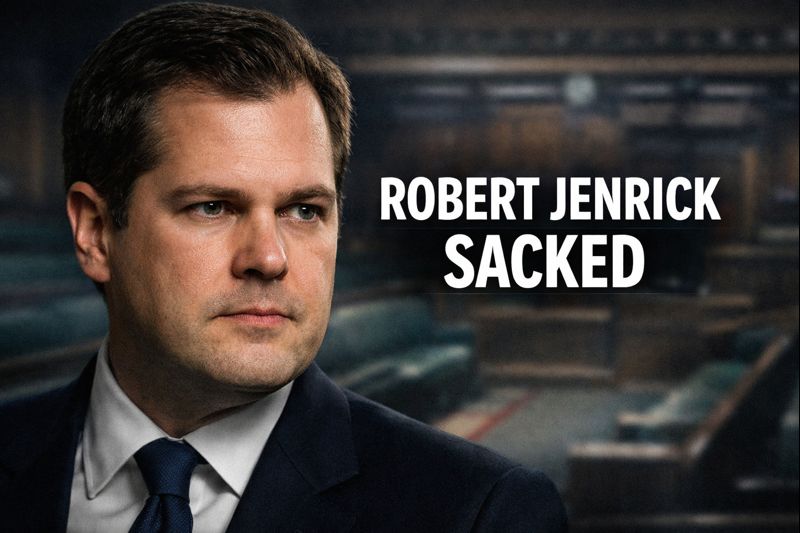
Conservative Party politics entered a new phase of turmoil on 15 January 2026 as Kemi Badenoch, leader of the main Opposition, dramatically dismissed Robert Jenrick MP from his position as Shadow Justice Secretary and suspended him from the party. The decision, announced in the early hours of Thursday, was justified by Badenoch as a necessary measure to prevent what she described as a clandestine attempt by Jenrick to defect from the Conservative Party in a way designed to inflict “maximum damage” on his colleagues and the party’s prospects.
Jenrick, the Member of Parliament for Newark, had been a prominent figure within the Conservative ranks since his leadership bid in 2024 and had held several ministerial roles under different governments before serving as Shadow Secretary for Justice. His sudden fall from grace exposes not only personal political ambitions but also wider tensions within a party struggling for coherent direction after successive electoral setbacks.
What Led to the Sacking
Badenoch’s statement accused Jenrick of acting with “clear, irrefutable evidence” of intentions to abandon the Conservative Party for another political grouping. Although she stopped short of naming which party he was poised to join, the context of widening speculation centred on Reform UK, the right-wing party led by Nigel Farage, which has drawn several high-profile defections.
According to Conservative sources, senior party officials uncovered a near-final draft of a resignation speech and related material allegedly left “lying around” that appeared to show planning for a dramatic departure. This discovery — coupled with a cancelled weekend speaking engagement — heightened fears that Jenrick was preparing a public defection announcement imminently.
The Chief Whip, Rebecca Harris, informed Jenrick by phone that he was being removed from the shadow cabinet and that the party whip was revoked. His party membership was also suspended, effectively rendering him an independent MP.
What Has Been Said
Speculation about Jenrick’s intentions stemmed from months of political manoeuvring after his defeat by Badenoch in the 2024 leadership contest, after which he had continued to cultivate a higher profile on contentious issues such as immigration and relations with other parties on the right. Nigel Farage confirmed that he had spoken with Jenrick, acknowledging multiple conversations, but denied any imminent agreement or formal plans to bring him into Reform UK ranks.
The relationship between the two politicians has been complex. In 2025, Farage and Jenrick publicly traded sharp criticism, with Farage previously branding him a “fraud” amid policy disagreements. However, the more recent context of talks has suggested at least a mutual exploratory phase, even if no binding commitment was reached before this week’s events.
Unity or Further Fragmentation?
The reaction across the political spectrum has been mixed, underscoring both internal Conservative fractures and broader scepticism about the future of the Right in British politics.
Within the Conservative Party, some figures welcomed Badenoch’s decisive action. Supporters argue that removing a perceived internal threat strengthens her leadership at a critical moment ahead of local elections and potential future national contests. Others, however, warned that the sacking has opened a more visible civil war within the party, potentially alienating factions that favour a harder right stance or closer cooperation with Reform UK.
Labour figures seized on the episode as evidence of disarray on the Opposition benches. They characterised the developments as symptomatic of a party unable to manage internal disputes effectively, at a time when the governing Labour Party seeks to project stability.
Nigel Farage and Reform UK have been cautious in their public commentary. Farage emphasised that conversations had taken place but reiterated that no formal agreement was concluded before Jenrick’s suspension. He also indicated openness to further dialogue, though some within Reform have privately expressed reservations about embracing figures previously critical of the party.
Jenrick’s Political Trajectory
Robert Jenrick’s trajectory from centrist solicitor to controversial political figure illustrates the shifting contours of UK party politics. First elected in 2014 and seen initially as a safe, conventional Conservative, his rise involved a series of senior government roles, including stints as Minister of State for Immigration and Secretary of State for Housing, Communities and Local Government.
His leadership bid in 2024 — which he ultimately lost to Badenoch — marked a turning point, enhancing his profile but also exposing ideological fault lines. Since then, his positions on immigration and links to right-leaning figures elevated his standing among some Conservative backbenchers while alarming others who feared a drift towards polarising politics.
Party Strategy and the Electoral Landscape
Jenrick’s departure from the Tory shadow cabinet and the broader allegations of defection planning have substantial implications for UK politics. For the Conservative Party, the incident highlights persistent struggles over identity and strategy. Badenoch’s calculated risk in removing a high-profile figure may shore up control among loyalists, but it also risks alienating those who view her leadership as steering the party too narrowly or suppressing internal debate.
For Reform UK, which has sought to position itself as a credible alternative on the Right, the episode could signal opportunities for growth should further defections materialise. Yet the party’s leadership must balance the allure of high-profile recruits with concerns about cohesion and ideological clarity.
Opposition parties, particularly Labour, could benefit from the ongoing turmoil by contrasting their own stability with Conservative disarray. With local elections on the horizon and national opinion polls indicating a gap between the major parties, political analysts suggest that the Jenrick affair may have ramifications well beyond Westminster corridors.
What Comes Next
As of mid-January 2026, Robert Jenrick remains suspended from the Conservative Party and stripped of the party whip. His future allegiance, whether he ultimately joins Reform UK, stands as an independent, or pursues another path, remains uncertain. What is clear is that this episode has deepened existing divisions within the Conservative Party and underscored ongoing flux in the UK’s political landscape.
The coming days are likely to see further commentary from senior politicians, potential legal and parliamentary manoeuvring, and sharp media focus on both Badenoch’s leadership strategy and Jenrick’s next moves. With local elections approaching and political allegiances in flux, the ramifications of this incident may shape centre-right politics for months to come.
